- Clearly Identify the Parties and Property
- Define the Lease Term
- Include Detailed Rent Terms
- Follow California Security Deposit Laws
- Clarify Maintenance and Repair Responsibilities
- Explain Entry Rights and Notice Requirements
- Establish Occupancy and Use Rules
- Include a Clear Pet Policy
- Address Alterations and Modifications
- Define Lease Violations and Enforcement Procedures
- Include Important California Disclosures
- Keep the Lease Clear and Easy to Understand
- Final Thoughts
- Clarity Matters: A detailed lease helps prevent disputes by clearly outlining responsibilities and expectations.
- Compliance Is Essential: California landlords must follow state-specific requirements for deposits, disclosures, and entry notices.
- Strong Rent Terms: Clearly defined rent policies reduce misunderstandings and support consistent collection practices.
- Maintenance Rules: Written maintenance procedures help protect the property and improve communication.
- Required Disclosures: Including all applicable California disclosures helps reduce legal risk.
Written by John Mayberry, Broker/Owner | Licensed California Real Estate Broker (CA DRE #01767835)
Published: May 28, 2026 | Updated: September 2026
A lease agreement is one of the most important documents in rental property management. It defines the rules of the tenancy, outlines financial obligations, and establishes the legal relationship between the property owner and the resident. In California, where landlord-tenant laws are detailed and frequently updated, a strong lease agreement is especially important.
A vague or outdated lease can create problems involving rent, security deposits, maintenance responsibilities, occupancy, or pets. A carefully written agreement helps protect your investment while making expectations clear from the beginning.
That's why we at Real Property Management have prepared this guide to help California rental property owners create stronger lease agreements.
Protect Your Rental With Confidence
Clearly Identify the Parties and Property
Every lease should begin with complete and accurate identifying information.
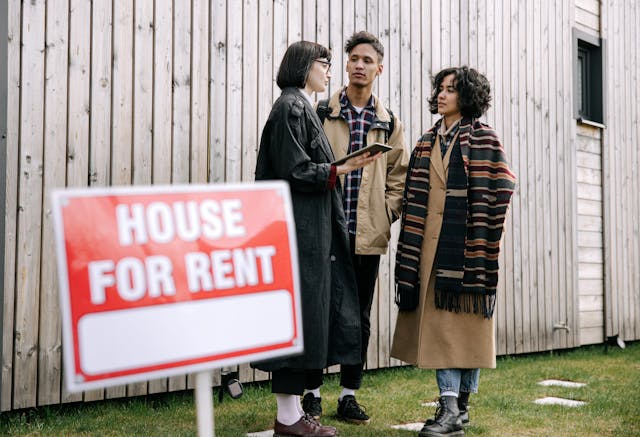
Include the full legal name of the landlord or ownership entity and the names of every adult resident who will occupy the property. The agreement should also contain the complete property address, including the unit number when applicable.
Every adult resident should sign the lease. This helps ensure that all occupants are legally responsible for complying with lease requirements, including rent payments and property care.
This section may seem straightforward, but it establishes accountability and reduces confusion about who is legally bound by the agreement.
Define the Lease Term
Your lease agreement should clearly explain the type of tenancy being created.
For fixed-term agreements, include the exact start and end dates. If the tenancy is month-to-month, state that clearly within the lease. The agreement should also explain what happens when the lease term ends and whether it renews or converts to a month-to-month arrangement.
Include Detailed Rent Terms
Rent policies should be written as clearly as possible.
State the monthly rent amount, due date, acceptable payment methods, and payment location. If online payments are required, include detailed instructions. Late fees should be reasonable, clearly disclosed, and consistent with California law.
Follow California Security Deposit Laws
California has strict security deposit requirements, making this section particularly important.

As of recent legal updates, landlords may generally charge up to one month's rent for an unfurnished residential property, subject to limited exceptions. The lease should explain the deposit amount collected, allowable deductions, the move-out inspection process, and the timeline for returning funds.
California law generally requires security deposits to be returned within 21 days after a resident vacates, along with an itemized statement when deductions apply.
The lease should also explain that deductions may be made for unpaid rent, cleaning beyond ordinary use, and damage beyond normal wear and tear.
Clarify Maintenance and Repair Responsibilities
A strong lease clearly divides maintenance responsibilities between the property owner and the resident.
California landlords must maintain habitable living conditions, including functioning plumbing, heating, electrical systems, weatherproofing, and structural safety. Residents are generally responsible for maintaining cleanliness, disposing of waste properly, and avoiding damage caused by negligence.
The lease should also explain how maintenance requests are submitted and how emergency repairs are handled.
Explain Entry Rights and Notice Requirements
California residents have significant privacy protections.
In most non-emergency situations, landlords must provide reasonable notice before entering a rental unit, typically at least 24 hours. The lease should explain when entry may occur for repairs, inspections, or property showings.
Let Us Handle Your Leasing
Establish Occupancy and Use Rules
A solid lease agreement should clearly define who may occupy the property.
Specify occupancy limits and state that the property is intended for residential use unless written permission is granted otherwise. Restrictions regarding unauthorized subleasing, short-term rentals, or other prohibited uses should also be included when applicable.
Clear occupancy provisions help establish expectations and support consistent property operations.
Include a Clear Pet Policy
Pet policies should always be addressed directly in the lease.

If pets are permitted, explain all applicable requirements. These may include pet deposits, monthly pet rent, size limitations, or limits on the number of animals allowed. Expectations regarding waste cleanup, noise, and property care should also be included.
If pets are prohibited, state that clearly to avoid confusion later.
Address Alterations and Modifications
Residents often wish to personalize their living space.
The lease should explain whether residents may paint walls, install shelving, replace fixtures, mount televisions, or make other modifications. Most property owners require written approval before alterations are made.
Define Lease Violations and Enforcement Procedures
A lease should clearly explain the consequences of violations.
Common violations include nonpayment of rent, unauthorized occupants, unauthorized pets, property damage, and repeated disturbances. The lease should state that violations will be addressed according to applicable California law.
Include Important California Disclosures
California landlords are required to provide various disclosures depending on the property and location.
These may include lead-based paint disclosures for homes built before 1978, mold disclosures in certain circumstances, bed bug information notices, smoking policy disclosures, and flood hazard disclosures when applicable.
Keeping disclosure requirements current helps reduce legal complications and supports compliance.
Keep the Lease Clear and Easy to Understand
A lease agreement should be legally sound while remaining practical and readable.
Avoid excessive legal jargon whenever possible. Organize the agreement into clearly labeled sections and use straightforward language so expectations are easy to understand. A lease that residents can follow is often easier to enforce and helps reduce misunderstandings throughout the tenancy.
Final Thoughts
A solid lease agreement protects your rental property by clearly defining expectations, responsibilities, and procedures. In California, where rental regulations are extensive, accuracy and compliance remain critical.
Every clause matters, from rent collection and security deposits to maintenance procedures and required disclosures. A carefully written lease can help reduce disputes, improve communication, and support smoother property operations.
At Real Property Management, we help California rental property owners create clear, compliant lease agreements that protect investments and support long-term rental success.
